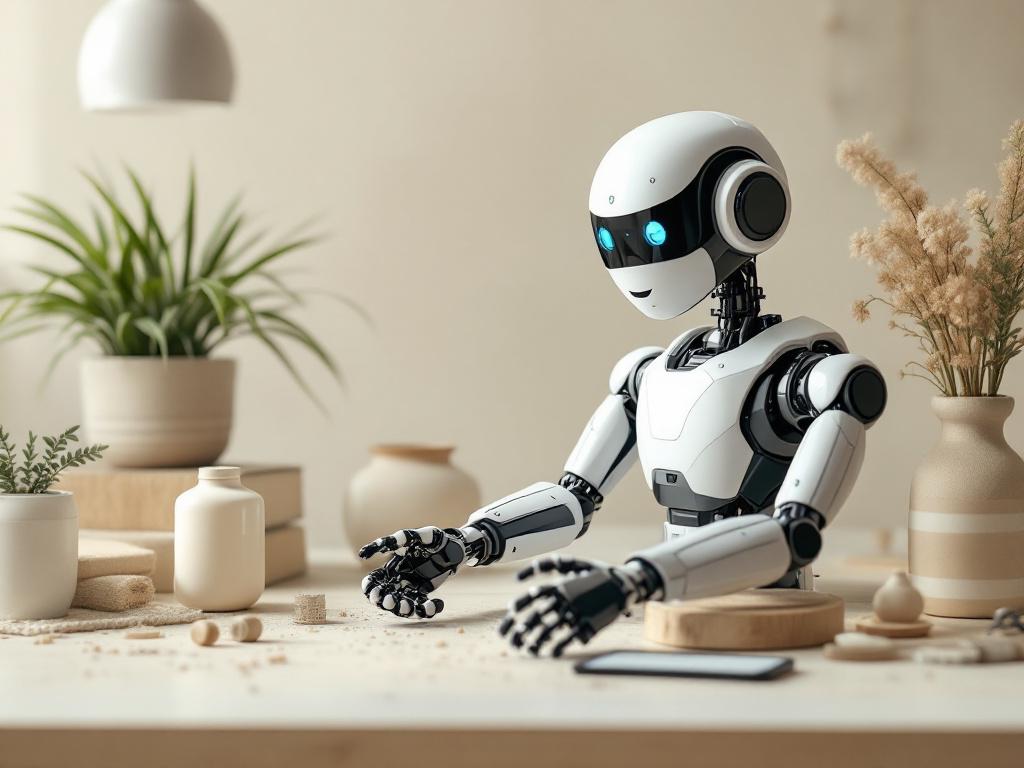
AI integration is a game-changer in the world of robotics. It's about turning ordinary machines into smart ones that can learn, see, and make decisions on their own. This means robots can now do much more than just repeat simple tasks over and over. With AI, they become energetic helpers in fields like manufacturing, healthcare, and logistics. The term AI integration is really key here because it represents this big step forward. It's why smart robotics are making such a huge impact today.
Understanding AI Integration
So, what exactly is AI integration? It's like giving robots a brain. Instead of following fixed instructions, these smart machines use AI algorithms to think and decide on the best actions to take. This makes them flexible and able to handle new and unexpected situations. AI integration allows robots to learn from what they do, see patterns, and make fast choices all on their own.
In the past, robots were only able to do what their programmers told them to do. This was fine for simple, repetitive tasks, but it didn't work well for more complex jobs. AI integration changes this by letting robots figure things out based on new data they receive. For example, they can learn to pick up objects of different shapes and sizes or navigate around obstacles that weren't there before. This makes AI integration a cornerstone for smart robotics, enabling a future where robots are not just tools but intelligent partners in various industries.
The Role of Machine Learning in Robotics
Machine learning is like a superpower for robots. It’s the part of AI that helps robots get better at their jobs as they gain more experience. Instead of needing every detail spelled out, robots using machine learning can analyze the information they gather and improve their actions over time.
Consider a robot in a factory that needs to weld pieces of metal together. Typically, it would need exact instructions for every scenario. But with machine learning, this robot can adapt to different metal thicknesses or even changes in the work environment. It gets smarter over time, learning what techniques work best through trial and error, much like how you learn to ride a bike or play a new game.
One trick machine learning uses is called reinforcement learning. Picture a robot like a student in a classroom who gets praised for good answers and corrected for mistakes. Over time, the robot figures out the best ways to tackle its tasks. This is incredibly valuable because it means robots can keep improving and become more efficient without a human constantly reprogramming them.
Robot Decision-Making
Robot decision-making is like giving robots the ability to think and choose what to do next. When a robot can decide its next action, it becomes independent and more useful in various tasks. AI integration ramps this up by enabling robots to process information from multiple sensors.
Take computer vision, for example. It's similar to a robot's eyes, helping it to see and interpret the surroundings. Combined with other sensors—like ones that can feel touch or hear sounds—robots can decide the best way forward.
Let's look at how this works in a real-world example. In an autonomous car, several sensors collect data about the road, traffic, and any obstacles. The AI system in the car processes this data to make safe driving choices. Computer vision helps it "see" road signs and lane markings, while other sensors help with distance measurement. Advanced technology like edge computing means these decisions happen fast because the processing takes place right in the device, enabling agile responses needed on the road.
Moreover, using something called digital twin technology allows robots to practice decision-making in a pretend environment that mirrors the real world. This is like a rehearsal space where robots can safely make and learn from mistakes before they act in the real world.
Intelligent Robots
Intelligent robots are like super advanced machines. They can see, think, and interact in ways that feel natural. Imagine a robot assistant that doesn't just vacuum floors but can also adjust itself based on the type of surface it’s cleaning. That’s the power of intelligent robots, which are packed with AI.
These robots have some standout features:
- Autonomy and Adaptability: They can adapt to new tasks or changes in the environment without waiting for new instructions. This means they can work in places where conditions change all the time, like a busy warehouse or a bustling public space.
- Enhanced Perception: Their advanced sensors and AI allow them to understand what's happening around them. For instance, through computer vision, they can identify objects and determine their distance, just like we do.
- Natural Human Collaboration: Intelligent robots can work alongside people. They're designed to collaborate, which includes understanding human language and responding in a way that makes sense to us. This kind of interaction is possible through systems like natural language processing (NLP).
One very cool type of intelligent robot is the collaborative robot or "cobot." Cobots are built to work directly with humans, sharing tasks in an efficient and safe manner. In a factory, a cobot might handle heavy lifting while a human worker focuses on detailed tasks, creating a perfect partnership.
Advancements in Smart Robotics Through AI
Smart robotics is where robots go from just being machines to problem solvers in many industries. AI integration is the key here, making these robots able to handle even more complex tasks with precision.
Consider what's happening in manufacturing. Robots not only assemble products but also manage production schedules. They’re capable of quick adaptations in the assembly line for different products—a concept known as mass customization. This means if a factory suddenly needs to produce a new style of a product, the robots can easily adjust without a long delay.
In logistics and warehousing, robots like AMRs (Autonomous Mobile Robots) bring efficiency by navigating independently around a warehouse. These robots can adapt routes instantly if an obstacle appears. Predictive maintenance is another leap forward, as it uses AI to monitor machines and predict breakdowns before they happen, thus saving money on repairs and downtime.
These intelligent robots are also making waves in healthcare. Surgeries assisted by AI-powered robots can result in fewer errors. In retail, humanoid robots equipped with conversational AI can assist customers just like human workers. And in the world of transportation, self-driving vehicles and drones maneuver through complex environments thanks to AI.
Challenges and Future Outlook
Despite their potential, AI-integrated robotics face hurdles that cannot be ignored. A big challenge is getting the right data for robots to learn and improve. This data must be specific to their intended tasks and environments—and acquiring such data isn't always easy.
Another challenge is AI explainability. This is about explaining to humans exactly how AI systems make their decisions, especially in sensitive areas like healthcare or law enforcement. We need to ensure that we can trust these systems to make fair and reliable choices.
AI ethics and societal impacts, like the possibility of job displacement, are also significant concerns. As AI becomes more common, addressing privacy and ethical considerations is critical to avoid negative consequences.
Looking to the future, exciting trends offer hope. Robots that learn general skills by observing humans are on the horizon. Technologies such as generalist robots and physical AI could allow robots to learn by simply watching videos or live performances. In addition, emerging technologies like foundation models, edge AI, and multi-robot coordination are set to revolutionize robotics even further.
These advancements hint at an optimistic future where AI robotics not only create jobs but also contribute to a sustainable society and safer human environments. Investments in infrastructure now can lead to meaningful gains and new business models where robots and humans work together in harmony.
Conclusion
AI integration is truly transforming the realm of smart robotics, opening pathways to a future where robots are intelligent collaborators rather than mere tools. Through AI, robots have evolved into machines capable of learning, adapting, and making decisions in real-world situations. These intelligent robots hold the potential to revolutionize industries by improving efficiency and safety, creating a profound impact on society.
As we continue exploring AI in robotics, it is crucial to monitor these advancements and stay informed about the ongoing developments and their potential societal implications. Embracing these changes can help us leverage the full benefits, ensuring that both technology and humanity thrive together in a future driven by intelligent machines.
FAQ
1. What is AI integration in robotics?
AI integration in robotics refers to incorporating artificial intelligence algorithms into robotic systems. This helps robots learn, adapt, and make decisions on their own, moving beyond simple, repetitive tasks to handle complex, dynamic environments.
2. How does machine learning benefit robots?
Machine learning helps robots improve their performance over time by learning from data and experiences rather than relying on fixed programming. With techniques like reinforcement learning, robots can continually optimize their actions based on feedback, becoming more efficient and accurate.
3. What are collaborative robots (cobots)?
Collaborative robots, or cobots, are designed to work alongside humans safely. They can take on repetitive or physically demanding tasks, making human-robot interactions smooth and efficient in settings like manufacturing or healthcare.
4. What challenges do AI-integrated robotics face?
AI robots face challenges such as acquiring specific data for learning, ensuring AI decision-making is explainable, and addressing societal concerns like job displacement and privacy issues. These challenges require careful consideration and governance to minimize any negative impacts.
5. What are the future trends in smart robotics?
Emerging trends in smart robotics include generalist robots, physical AI, foundation models, edge AI, and multi-robot coordination. These advancements are expected to enhance robot capabilities, allowing them to perform more complex functions and improve coordinated tasks across industries.